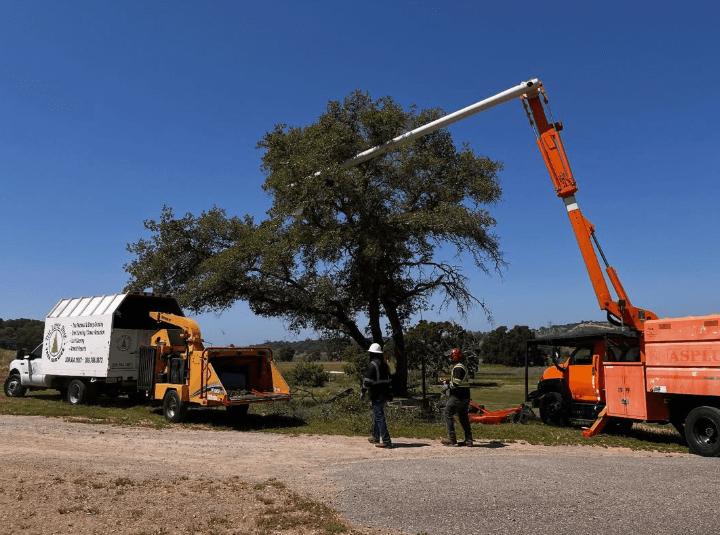
The best way is to cut back dead, weak, or overextended branches using clean, sharp tools while keeping the tree’s natural shape. Proper trimming improves safety, prevents property damage, and encourages healthier growth. Homeowners often struggle with where to start, which tools to use, and how to avoid harming their trees. This guide explains every step in simple language, from choosing the right season and equipment to shaping branches and avoiding common mistakes, so you can handle overgrown trees confidently and safely.
Table of Contents
Understanding the Risks of Overgrown Trees
Before grabbing your tools, it’s important to understand why trimming matters. Overgrown trees can cause several problems:
- Blocked sunlight – Dense branches prevent sunlight from reaching lawns, gardens, or solar panels.
- Structural weakness – Heavy branches may crack, split, or break during wind and storms.
- Safety hazards – Overhanging limbs can fall on houses, vehicles, or walkways.
- Pest issues – Untrimmed branches can harbor insects or wildlife close to your home.
Recognizing these issues helps you see trimming as more than a cosmetic task-it’s a vital part of protecting your property and ensuring tree health.
Choosing the Right Time to Trim Overgrown Trees
The best time to trim most trees is late winter to early spring, when growth is dormant and the tree can heal quickly once spring begins. Summer trimming is sometimes used to control growth or improve shape, but it is less gentle on the tree. Fall is the worst season because open cuts heal slowly and invite disease. No matter the season, trim immediately if branches are broken or pose a safety risk.
Tools You’ll Need for Trimming Overgrown Trees
The right tools make the job safer and easier. Here are the basics:
- Hand pruners – For small branches up to ¾ inch thick.
- Loppers – For medium branches up to 2 inches thick.
- Pruning saw – For larger limbs that won’t fit in loppers.
- Pole saw or pole pruner – For reaching higher branches safely from the ground.
- Protective gear – Gloves, safety glasses, and a helmet if cutting large limbs.
Investing in sharp, high-quality tools ensures clean cuts that heal faster and reduce the chance of disease.
Step-by-Step Guide to Trimming Overgrown Trees
Step 1: Inspect the Tree
Walk around the tree and look for dead, damaged, or crossing branches. Decide which branches need trimming to improve structure and safety.
Step 2: Start With Dead or Diseased Branches
Removing deadwood first makes it easier to see the natural shape of the tree. Cut close to the branch collar (the swollen area where the branch meets the trunk) without cutting into the trunk itself.
Step 3: Thin Out Dense Growth
If the tree looks too crowded, thin branches evenly around the canopy. This allows light and air to pass through, reducing the chance of pests and disease.
Step 4: Shorten Long Branches
Trim back overextended limbs that stick out from the natural canopy shape. Always cut just above a healthy bud or lateral branch.
Step 5: Shape the Tree Naturally
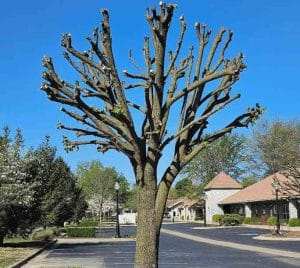
Aim for a balanced look without flat tops or harsh cuts. Trees look best when trimmed to highlight their natural form.
Benefits of Regular Tree Trimming
Consistent trimming offers long-term rewards beyond just appearance:
- Healthier growth – Removes diseased or weak branches, allowing energy to go to strong ones.
- Improved safety – Reduces risk of falling limbs during storms.
- Better sunlight and air – Helps your lawn, flowers, or garden thrive.
- Enhanced property value – Well-kept trees improve curb appeal and overall landscaping.
Homeowners often find that trimming every year or two prevents major issues and saves money on expensive emergency removals.
Aftercare: Helping Your Tree Recover
Once trimming is complete, your job isn’t over. Aftercare helps trees recover faster:
- Clean up debris to avoid attracting pests.
- Water deeply if the weather is dry-trees need moisture to heal.
- Add mulch around the base to keep soil moist and regulate temperature.
- Avoid fertilizer immediately after trimming-wait a few weeks to reduce stress.
A little extra care now goes a long way in ensuring healthy regrowth.
When to Call a Professional Arborist
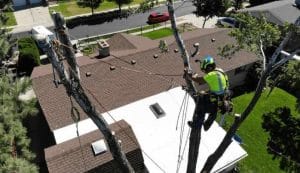
Some trimming jobs are too risky to handle on your own. If branches are thicker than six inches, the tree is very tall, or it grows near power lines, fences, or your house, it’s safer to call an arborist. Professionals have the training and equipment to remove heavy limbs and shape trees without causing damage. While hiring an expert may cost more at first, it protects your safety and ensures the long-term health of the tree.
Conclusion: A Healthier Yard Starts With Proper Tree Trimming
Learning how to trim overgrown trees is one of the most useful skills a homeowner can develop. Not only does it improve your yard’s appearance, but it also keeps your property safer and your trees healthier. By following safe practices, using the right tools, and trimming with a plan, you’ll create a balanced, thriving landscape you can enjoy for years.
If the job feels too big or unsafe, don’t hesitate to call a professional. Whether you do it yourself or hire help, regular tree care is a smart investment in your home, your safety, and your outdoor living space.
FAQs
How often should I trim my trees?
Most trees need trimming every 1–3 years, depending on their type and growth rate.
Can trimming kill a tree?
No, not if done correctly. Over-pruning or topping can stress or damage a tree, but careful trimming encourages healthy growth.
What is the difference between trimming and pruning?
Trimming usually refers to shaping and maintaining appearance, while pruning focuses on health and safety by removing dead or diseased branches.
Do fruit trees need special trimming?
Yes, fruit trees benefit from pruning techniques that encourage sunlight and airflow, helping produce better harvests.
Can I trim trees in summer?
Yes, especially if you want to control growth or manage shape, but avoid heavy pruning in the fall.
What happens if I never trim my trees?
Untrimmed trees may grow weak, dense, and unsafe, eventually requiring costly removal.
Do I need a permit to trim trees?
In some cities or neighborhoods, yes. Check local rules if you’re trimming street trees or protected species.