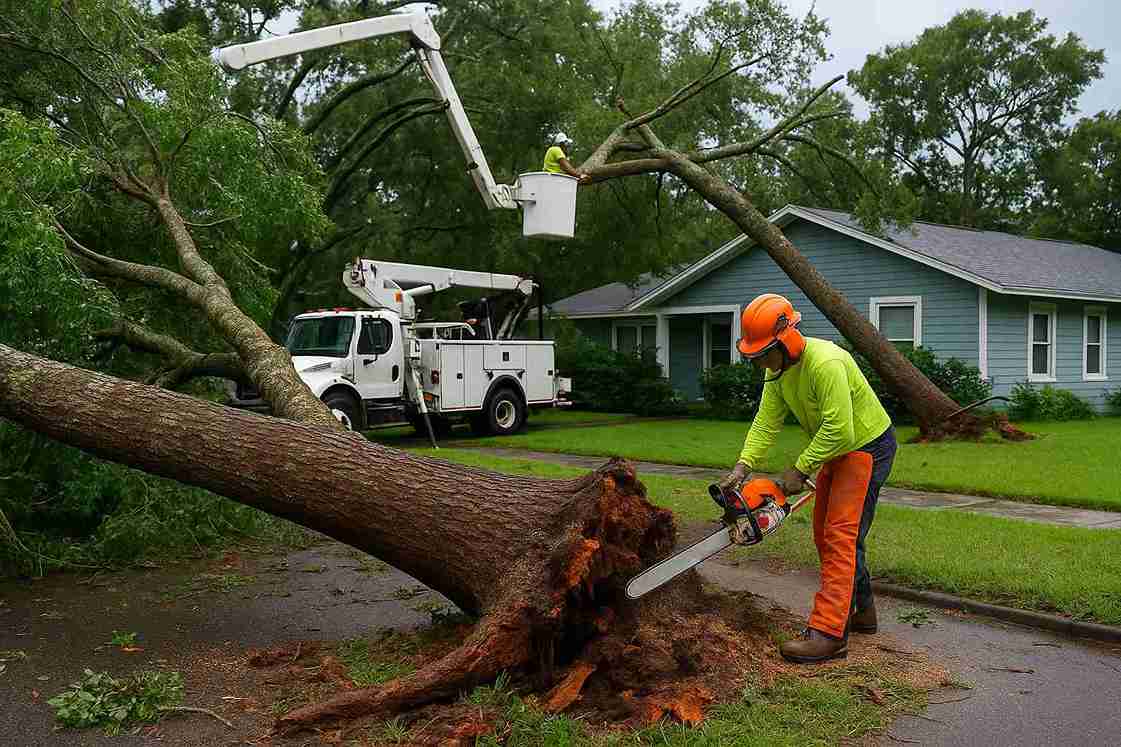
Florida’s storms are powerful and unpredictable. After a heavy storm, trees can pose serious dangers to homes, cars, and people. Emergency tree services step in to keep communities safe quickly and effectively. In this article, you will learn why these services are essential right after a storm, what risks fallen or damaged trees create, and how fast you can expect help to arrive when you need it most. Understanding this will help you prepare and respond wisely to storm damage in Florida.
Table of Contents
Why Florida Storms Make Emergency Tree Services Necessary
Florida faces frequent storms, especially during hurricane season. These storms bring strong winds, heavy rain, and sometimes flooding. Trees, whether large oaks or tall pines, can suffer severe damage during these events.
- Fallen Trees Block Roads and Driveways
Storm-downed trees often block streets and driveways, making it hard or impossible to leave your home or get emergency vehicles through. This is dangerous if someone needs urgent medical attention or if you must evacuate quickly. - Damaged Trees Threaten Property
Broken branches or leaning trees risk falling on homes, cars, fences, or power lines. This causes costly damage and can put people at risk of injury or worse. - Hazardous Power Lines
Trees falling on power lines cause outages and create electrocution risks. Emergency tree crews know how to safely handle these dangerous situations with utility companies.
Because of these dangers, waiting to address storm-damaged trees is not an option. Emergency tree services provide fast and safe removal and cleanup to protect you and your neighbors.
Common Problems Caused by Storm-Damaged Trees
After a storm, you might notice several issues related to trees:
- Blocked Access: Roads and driveways may be completely blocked by large trunks or heavy branches. This can isolate homes and delay rescue or repair efforts.
- Unstable Trees: Some trees might not fall immediately but lean dangerously. These unstable trees could collapse with even a slight wind or when rain loosens the soil.
- Broken Branches Overhanging Structures: Large broken limbs hanging over roofs or decks risk falling at any time, threatening people and property below.
- Root Damage: Flooding and soil saturation can loosen tree roots, weakening their hold and increasing the chance of toppling later.
- Debris Hazards: Small branches and leaves left scattered create slippery conditions and can clog storm drains, causing flooding.
Emergency tree services assess these problems quickly to prioritize the most urgent threats first.

How Emergency Tree Services Protect Your Family and Property
Emergency tree crews specialize in rapid response and expert handling of storm damage. Their main goals are:
- Restoring Safe Access: Removing large fallen trees from roads, driveways, and entrances so vehicles and emergency responders can get through.
- Preventing Further Damage: Taking down unstable trees or broken limbs before they cause more harm to your home or neighbors’ property.
- Reducing Electrical Hazards: Working with utility companies to clear trees from power lines safely and restore electricity quickly.
- Minimizing Injury Risks: Clearing hazardous debris that could cause accidents for children, pets, and adults moving around the property.
By addressing these issues immediately, emergency tree services reduce the stress and danger after a storm and help get your life back to normal faster.
How Quickly Do Emergency Tree Services Arrive After a Florida Storm?
Response time after a storm is critical. Most emergency tree companies understand this and organize their teams to react fast.
- Immediate Response for Life-Threatening Situations
If a tree blocks a main road or endangers a home or person, crews can arrive within hours of the storm passing. These situations get top priority. - Next-Day Service for Property Cleanup
For less urgent tree removal, such as clearing backyards or secondary roads, services usually begin within 24 to 48 hours. - Large Storms May Cause Delays
In major hurricanes or widespread storms, demand for emergency tree work can overwhelm local crews. In such cases, response times might stretch to several days or even weeks. - Pre-Storm Planning Speeds Service
Some companies offer pre-storm emergency plans or priority contracts for faster response, which can be a wise choice in Florida’s high-risk areas.
Fast arrival by emergency tree services means less risk, quicker repairs, and a safer home environment after the storm.
What to Expect When You Call Emergency Tree Services After a Storm
Knowing what happens when you request emergency tree service can help you feel more prepared:
- Initial Contact and Assessment
When you call, the service will ask about the type and location of tree damage, urgency, and any hazards. This helps prioritize your job. - Dispatch of Crews
Crews are sent out based on urgency and location. If your situation is life-threatening, expect quick dispatch. - On-Site Inspection
Upon arrival, the team will inspect the tree damage and surroundings to plan safe removal or stabilization. - Safety Measures and Removal
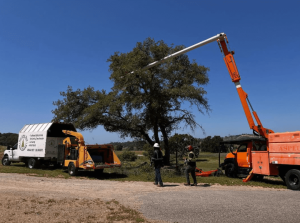
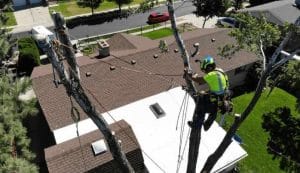
Experienced crews use specialized equipment like chainsaws, cranes, and wood chippers. They work carefully to avoid further damage. - Cleanup
Debris is hauled away, and the site is left safe and accessible. - Follow-Up Advice
Some companies may give tips on further tree care or when to schedule regular maintenance to prevent future storm damage.
Understanding this process can help reduce stress and ensure clear communication with the service provider.
How to Prepare for Florida Storm Season to Minimize Tree Damage
While emergency tree services are vital after storms, prevention can reduce the need for emergency help.
- Regular Tree Inspections
Have a certified arborist check your trees yearly. They can spot weak branches, disease, or root problems before a storm. - Proper Tree Pruning
Trimming trees reduces the weight on branches and helps them withstand wind better. - Remove Dangerous Trees
If a tree is dead, diseased, or too close to your home, removal before storm season can prevent disaster. - Clear Debris and Maintain Gutters
Clearing dead branches and leaves from your yard and gutters prevents additional hazards during storms. - Create a Storm Plan
Know your emergency tree service contacts in advance, and discuss priority services or contracts to guarantee faster response.
By taking these steps, you protect your property and reduce storm recovery time.
Why DIY Tree Removal After a Storm Is Risky
After a storm, it might be tempting to cut up fallen trees yourself to clear your yard or driveway. However, this is dangerous and often counterproductive.
- Hidden Hazards: Trees touching power lines or unstable branches can cause electrocution or sudden collapse.
- Lack of Proper Equipment: Chainsaws and heavy tools need professional experience to operate safely.
- Risk of Injury: Falling branches, chainsaw accidents, and unstable ground increase injury risk.
- Potential for More Damage: Improper cuts can cause trees to fall unpredictably, damaging property or blocking access further.
Emergency tree services have trained crews and the right equipment to handle these dangers safely and quickly.
What You Gain from Fast Emergency Tree Service After Florida Storms
Getting professional emergency tree services promptly after a storm brings many benefits:
- Peace of Mind: Knowing the risks are managed by experts reduces anxiety and stress.
- Safety for Your Family: Removing hazards protects loved ones from injury.
- Protecting Your Property Investment: Quick action prevents further damage and costly repairs.
- Faster Return to Normal Life: Clear roads and safe homes mean daily routines resume sooner.
- Avoiding Legal Issues: Blocking public roads or leaving dangerous trees can cause liability problems.
- Supporting Community Recovery: Clearing public spaces and roads helps your whole neighborhood recover faster.
In Florida, where storms are inevitable, fast emergency tree service is an investment in safety and recovery.
How to Choose a Reliable Emergency Tree Service in Florida
Not all tree services are the same. When selecting a company for emergency work, consider:
- Licensing and Insurance: Ensure they are licensed and fully insured to protect you from liability.
- Experience with Storm Damage: Look for companies specializing in emergency storm response.
- Local Reputation: Check reviews and ask neighbors for recommendations.
- Availability: Confirm their response times and whether they offer 24/7 emergency service.
- Safety Standards: The crew should follow strict safety protocols and use professional-grade equipment.
- Clear Communication: Choose a company that explains processes and costs upfront.
Doing this research before a storm hits saves time and stress later.
Conclusion: Be Ready for Florida Storms with Fast Emergency Tree Service
Florida’s storms are intense and can cause serious tree damage that threatens safety and property. Emergency tree services are critical because they respond quickly, removing hazards and restoring safety after the storm. Knowing why these services matter, how fast they arrive, and what to expect helps you prepare and act wisely.
Preparing your trees before storm season, avoiding DIY risks, and choosing a reliable emergency tree company will protect your home and family when storms strike. Fast, professional emergency tree service is more than a convenience—it’s essential for safety and peace of mind in Florida’s storm-prone environment.
FAQs
Why is emergency tree removal important after storms?
Emergency tree removal is critical after Florida storms because fallen or damaged trees block roads, damage homes, and create safety risks. Quick removal prevents injuries and further damage.
How fast do emergency tree services respond in Florida?
In Florida, emergency tree services usually respond within hours for urgent cases and within 24–48 hours for less urgent cleanup, but large storms may cause some delays.
What dangers do storm-damaged trees pose to homes?
Storm-damaged trees can fall on roofs, cars, and power lines, causing damage, power outages, and serious injury risks to your family and neighbors.
Can I safely remove fallen trees after a storm myself?
Removing fallen trees yourself is risky due to hidden dangers like power lines and unstable branches. It’s safer to hire emergency tree experts with proper tools and training.
What should I do if a tree falls on a power line?
Never try to move a tree on a power line yourself. Call emergency tree services and the utility company immediately to handle the hazard safely.
How do emergency tree services help after Florida storms?
Emergency tree crews clear blocked roads, remove dangerous branches, work with power companies, and clean debris to restore safety and access quickly after storms.
How can I prepare my trees before Florida storm season?
Regular tree trimming, removing dead trees, and yearly inspections by an arborist help prepare trees to better withstand Florida storms and reduce emergency risks.
Why do some emergency tree services take longer after hurricanes?
After hurricanes, many homes get damaged at once, so emergency tree crews prioritize urgent cases, which can cause delays for less critical jobs.
What is the cost benefit of fast emergency tree removal?
Fast emergency tree removal helps avoid bigger repairs, prevents injuries, and reduces property damage, saving you money and stress in the long run.
How do I choose a reliable emergency tree service in Florida?
Look for local licensed, insured companies with storm damage experience, 24/7 availability, good reviews, and clear safety practices to ensure fast, safe emergency tree removal.