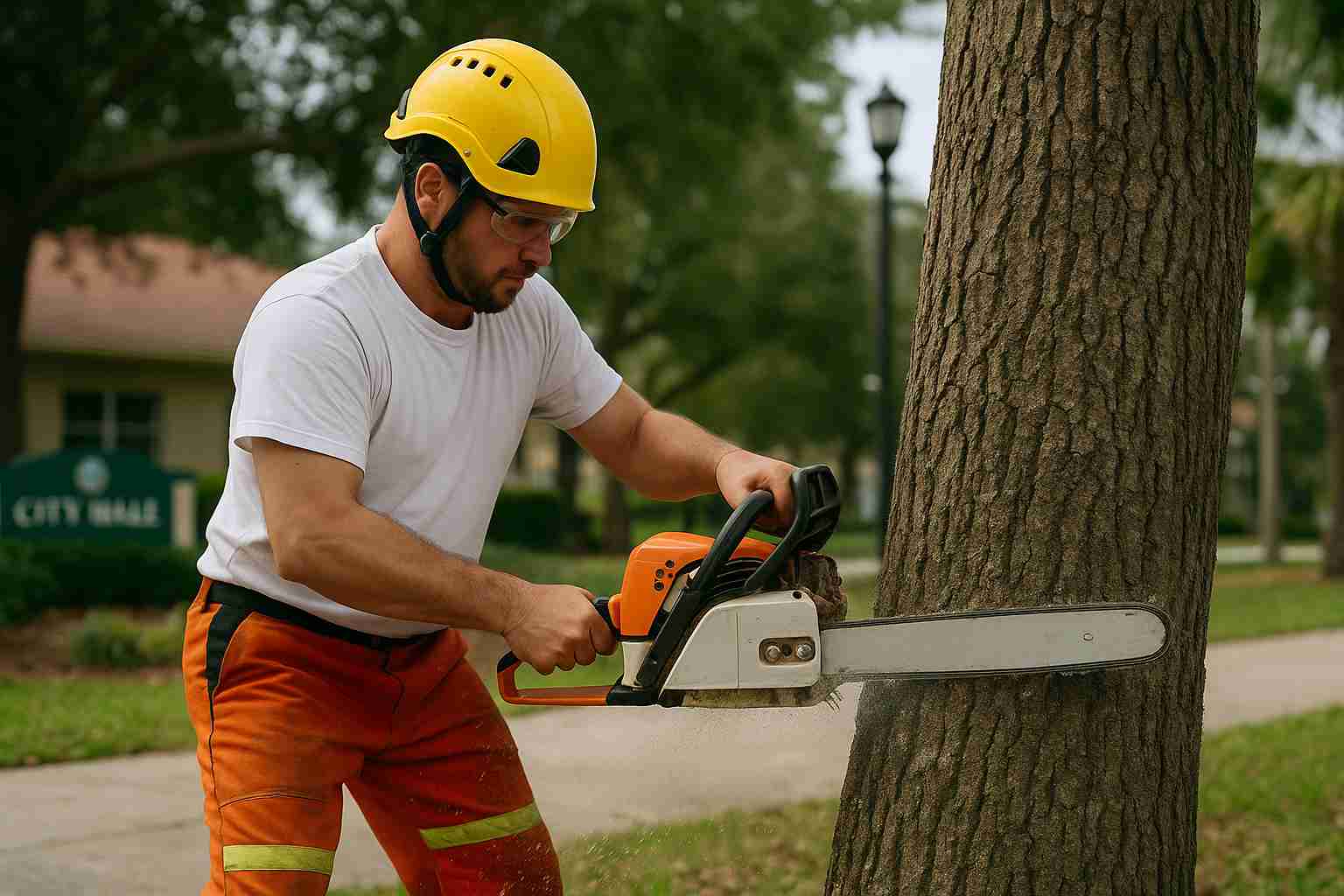
Yes, in most cases, you’ll need a city-issued permit before removing a tree in Ormond Beach, especially if it’s healthy, protected, or of a certain size. Local regulations are designed to preserve the city’s natural beauty while ensuring safety and responsible development. If you’re dealing with a dead tree, a hazardous lean, or one blocking a construction project, you can still get approval, but knowing the exact process will save you time, money, and potential fines. This guide explains when a permit is required, how to apply, and what to expect so you can remove your tree legally and without delays.
Table of Contents
Trees aren’t just part of your yard – they’re part of the community’s ecosystem. Ormond Beach, like many cities in Volusia County, has strict rules to protect its green spaces. The city’s tree preservation ordinances aim to balance property owners needs with environmental health. Removing a tree without a permit can lead to hefty fines, delays in your project, or even legal trouble. For example, cutting down a protected tree without approval could cost you hundreds of dollars in penalties, not to mention the hassle of dealing with city officials.
Permits also ensure safety. A tree that’s too close to power lines or your home can be dangerous to remove without proper planning. The permit process requires inspections to confirm that your removal won’t harm the environment or public safety. Plus, permits often include requirements to replace removed trees, helping maintain Ormond Beach’s lush, green aesthetic. By following the rules, you’re not just avoiding trouble – you’re contributing to a healthier, safer community.
Common Reasons for Tree Removal
Understanding why you need to remove a tree can help clarify whether a permit is required. Here are some common scenarios Ormond Beach homeowners face:
- Dead or Diseased Trees: A dead tree or one with severe insect damage can fall unexpectedly, posing a safety hazard.
- Construction Projects: Building a new home, garage, or addition often requires clearing trees from the lot.
- Leaning or Unstable Trees: Trees leaning toward your house or utility lines can cause damage during storms, especially during Florida’s hurricane season.
- Aesthetic or Space Needs: Sometimes, a tree blocks sunlight or takes up space needed for landscaping or outdoor activities.
Each of these situations might require a permit, depending on the tree’s size, location, and your property’s zoning. Knowing the rules upfront helps you plan better and avoid surprises.
Do You Need a Permit for Tree Removal in Ormond Beach?
The short answer? It depends. Ormond Beach and Volusia County have specific guidelines about when a permit is required. Let’s break it down so you can figure out if your tree removal project needs one.
When You DON’T Need a Permit
In some cases, you can remove a tree without city approval. Here’s when permits aren’t required in Ormond Beach or Volusia County:
- Owner-Occupied Single-Family Homes: If you live in a single-family home with a valid homestead exemption from the Volusia County Property Appraiser, you don’t need a permit to remove trees on your lot. This exemption applies only to owner-occupied properties, not rentals or vacant lots.
- Certain Zoning Types: Properties zoned A-1, A-2, A-3 (over 2.5 acres), A-4, RC, RA, MH3, MH4 (over 2.5 acres), or FR are exempt from tree removal permits. You can check your property’s zoning by calling the Volusia County Zoning Office at 386-943-7059.
- Small Trees: Trees under 6 inches in diameter at breast height (DBH, measured 4.5 feet from the ground) outside of zoning setbacks are generally not considered protected and may not require a permit. However, always confirm with the city, as exceptions apply for historic or specimen trees.
If your situation falls into one of these categories, you might be able to skip the permit process. But it’s always smart to double-check with the city’s Neighborhood Improvement Department at 386-676-3352 to avoid accidental violations.
When You Do Need a Permit
If your property doesn’t qualify for an exemption, you’ll likely need a permit. Here are the most common scenarios requiring a tree removal permit in Ormond Beach:
- Protected Trees: On residential lots, trees over 6 inches DBH within zoning setbacks are considered protected. Setbacks vary by property, so contact the zoning office to confirm yours. Protected trees require a permit for removal, and you may need to plant replacement trees.
- Construction-Related Clearing: If you’re clearing a lot for a new single-family home or other construction, a tree removal permit is mandatory. This applies even if the trees are small, as the city wants to ensure environmental compliance.
- Rental Properties or Mobile Home Parks: Unlike owner-occupied homes, rental properties and mobile home parks in Ormond Beach require permits for tree removal, regardless of tree size or location.
- Historic or Specimen Trees: Trees designated as historic or specimen (like large oaks or magnolias) have extra protections. Removing them requires special approval, even on exempt properties.
- Trees in Protected Areas: If your lot contains wetlands or other environmentally sensitive areas, you’ll need a permit, and standalone tree permits may not be allowed.
If you’re unsure whether your tree removal requires a permit, call the Ormond Beach Building Division at 386-676-3233 or the Neighborhood Improvement Department. They can guide you based on your property’s specifics.
Disclaimer: Regulations and permitting requirements are subject to change. Always verify the most current information with the appropriate city department before starting any tree removal.
How to Get a Tree Removal Permit in Ormond Beach
Getting a permit might sound intimidating, but the process is straightforward if you follow these steps. Here’s how to get your tree removal permit in Ormond Beach, from start to finish.
Step 1: Determine the Type of Permit You Need
There are two main types of tree removal permits in Ormond Beach:
- Standalone Tree Removal Permit: This is for removing trees without any associated construction. For example, if you’re taking down a dead tree in your backyard, you’ll need a standalone permit. As of June 3, 2024, standalone permits are issued concurrently with pre-application approval, so plan for extra review time.
- Tree Removal with a Building Permit: If you’re removing trees as part of a construction project (like building a new home), the tree removal permit is included in your building permit application. You’ll need to fill out the tree-clearing section of the building permit form.
To decide which permit you need, ask yourself: Is this tree removal tied to a construction project, or am I just removing a tree? If it’s the latter, go for the standalone permit. You can download the standalone tree permit application from the City of Ormond Beach website or pick one up at City Hall (22 S. Beach St., Room 104).
Step 2: Gather Required Documents
Both types of permits require specific documents to ensure the city can review your request properly. Here’s what you’ll need:
- Completed Application Form: Fill out the tree removal permit application (standalone or building permit section) completely. Missing information can delay approval.
- Tree Survey: As of January 1, 2021, all residential tree removal permits require a tree survey. This is a detailed map showing the location, size, and species of trees on your property. A licensed surveyor or arborist can prepare this for you. The survey must include trees over 6 inches DBH and any historic or specimen trees.
- Site Plan: Submit three copies of a site plan at a scale no greater than 1 inch = 50 feet. The plan should show:
- Existing or proposed structures on your property
- The location of the trees to be removed
- A north direction arrow
- Adjacent streets
- Any wetlands or protected areas
- Reason for Removal: Include a brief explanation of why the tree needs to be removed (e.g., it’s dead, leaning, or in the way of construction). Photos can help support your case.
- Replacement Plan (if required): If you’re removing protected trees, you may need to plant replacement trees. Since January 1, 2021, only Florida native species are accepted for replacements. Check the city’s Acceptable Tree Replacement List for approved species.
Pro tip: Work with a professional tree service or arborist in Ormond Beach. Many, like Dead or Alive Tree Service ((386)444-1386), will handle the permit paperwork for you, saving you time and ensuring accuracy.
Step 3: Submit Your Application
You can submit your permit application in two ways:
- In Person: Visit the Building Division at Ormond Beach City Hall (22 S. Beach St., Room 104, open Monday–Friday, 8:00 a.m.–5:00 p.m.). Bring all documents and be prepared to pay any fees (typically minimal, around $25 in nearby Port Orange, though Ormond Beach fees may vary).
- Online: Use the Tyler Civic Access portal on the City of Ormond Beach website to submit your application digitally. Online submissions may take a few days to process, so plan accordingly.
Once submitted, the city will review your application. For standalone permits, expect a pre-application review to ensure your documents are complete. The city may also schedule a site inspection to verify the tree’s condition and location.
Step 4: Wait for Approval and Pick Up Your Permit
Permit processing typically takes a few days, depending on the complexity of your request. If approved, you’ll be notified to pick up your permit at the Building Division or receive it digitally via the Tyler Civic Access portal. Standalone permits are now issued with pre-application approval, so you won’t get the permit until all reviews are complete.
Your permit is valid for a limited time (often 30 days, based on nearby Port Orange’s rules), so schedule your tree removal promptly. If you’re working with a tree service, they’ll need a copy of the permit before starting work.
Step 5: Remove the Tree and Comply with Requirements
Once you have the permit, you can proceed with removal. Hire a licensed and insured tree service in Ormond Beach to ensure the job is done safely and meets city standards.
If your permit requires replacement trees, plant them within the specified timeframe (usually 30 days). Use only approved native species, and ensure they’re planted in suitable locations as outlined in your site plan. Failure to comply can result in fines or additional inspections.
Tips for a Smooth Tree Removal Process
To make your tree removal project stress-free, keep these tips in mind:
- Hire a Professional: Tree removal is dangerous, especially for large trees near homes or power lines. A licensed arborist or tree service can handle the job safely and manage the permit process for you. Look for companies with good reviews, like those listed on Angi or Today’s Homeowner, which highlight top-rated Ormond Beach tree services.
- Check for Historic Trees: Before applying, confirm whether your tree is historic or a specimen. These trees have stricter rules, and removal without approval can lead to significant fines.
- Plan for Replacement Trees: If replacements are required, choose native species like pondcypress or slash pine, which thrive in Ormond Beach’s climate. This not only meets city rules but also enhances your property’s value.
- Stay Nearby During Removal: Being present during the removal lets you answer questions from the tree service and ensure the right trees are removed. It also helps you confirm the site is cleaned up properly.
- Verify Insurance: Ensure your tree service has workers’ compensation and liability insurance. This protects you from costs if accidents or damage occur during removal.
Benefits of Following the Permit Process
Following Ormond Beach’s tree removal permit process offers several benefits beyond avoiding fines:
- Safety First: The city’s review ensures your tree removal won’t endanger people, property, or utilities. Inspections catch issues like proximity to power lines, reducing risks.
- Environmental Protection: By requiring replacement trees, the city helps maintain Ormond Beach’s tree canopy, which cools neighborhoods, reduces energy costs, and supports wildlife.
- Property Value: Healthy, well-maintained trees (or properly chosen replacements) can boost your home’s value by up to 15%, according to studies.
- Peace of Mind: Knowing you’ve followed the rules means no surprise fines or delays, letting you focus on enjoying your improved property.
Take Action: Start Your Tree Removal Project Today
Removing a tree in Ormond Beach doesn’t have to be complicated. By understanding when a permit is required and following the city’s straightforward process, you can tackle your project with confidence. Whether you’re clearing space for a new patio, removing a hazardous tree, or preparing for construction, the permit process ensures your work is safe, legal, and environmentally responsible.
Start by checking if your property or tree qualifies for an exemption. If a permit is needed, gather your documents, submit your application, and work with a trusted Ormond Beach tree service to get the job done right. The result? A safer, more functional property that still contributes to the city’s green beauty.
Ready to get started? Contact the Ormond Beach Neighborhood Improvement Department at 386-676-3352 or visit the Building Division at City Hall to pick up your application. You can also apply online through the Tyler Civic Access portal. Don’t wait – take the first step toward a hassle-free tree removal today!
FAQs
Are dead trees dangerous to houses?
Yes, dead trees are one of the most common hidden threats to homes. Once a tree dies, it loses its internal moisture and flexibility, causing the wood fibers to weaken and become brittle. In storms, even light winds can make heavy branches or the entire trunk snap. Falling debris can crush roofs, break fences, damage vehicles, or bring down power lines. Many homeowners face repair costs between $5,000–$20,000 after a tree collapse. Removing a dead tree early protects your home’s structure, electrical systems, and family safety.
How do I know if my tree is dead?
A dead tree often looks lifeless, but there are clear signs to confirm it: 1) No leaf growth in spring or thinning canopy, 2) Brittle, dry branches that break easily, 3) Peeling bark or cracks exposing dry wood, 4) Fungus, mushrooms, or rot near the roots, and 5) A leaning trunk or soft ground around the base. To test, scratch a small piece of bark – if it’s brown and dry underneath instead of green, the tree is dead. If you’re unsure, an arborist from Decision Precision – Tree Technicians can safely evaluate and confirm its condition.
Do dead trees attract pests?
Yes. Dead wood is a magnet for termites, carpenter ants, bark beetles, and borers. Once inside, these pests feed on the decaying wood and may eventually move into your home’s structure, damaging floors, beams, and walls. Dead trees also attract rodents, raccoons, and birds looking for nesting spots. The longer the tree stays, the higher the infestation risk. Prompt removal cuts off the pest source and protects both your home and your landscaping.
Can dead trees cause fires?
Definitely. Dry, decaying trees act like natural firewood — one spark from a lightning strike, grill, or nearby wildfire can ignite them instantly. In hot or drought-prone areas, this risk increases dramatically. If branches hang near your roof or power lines, a fire could spread quickly to your home. Tree experts recommend removing dead trees before the dry season starts to reduce potential fire hazards and improve your property’s overall safety.
What happens if I don’t remove a dead tree?
Ignoring a dead tree can lead to severe consequences. It could fall unexpectedly, causing expensive structural damage or injuring someone. Insurance companies often deny claims for damage caused by a known hazard, leaving you responsible for repairs. You could even face legal action if it falls on a neighbor’s property or injures someone. The longer you wait, the more the roots weaken, increasing the danger. Removing it promptly with professional help saves money and stress in the long run.
Who should remove a dead tree?
Always hire a licensed and insured professional. Dead trees can be unpredictable — the wood may crumble or shift suddenly while being cut. Certified arborists from Decision Precision – Tree Technicians use cranes, rigging systems, and safety harnesses to remove trees safely, even in tight spaces near homes or fences. Attempting DIY removal is dangerous and could void insurance coverage if something goes wrong. Professionals also ensure proper disposal and stump grinding to prevent regrowth or pests.
When is the best time to remove a dead tree?
The ideal time is as soon as you confirm it’s dead, regardless of the season. However, mild weather periods like winter or early spring are often safest because the ground is firmer and surrounding vegetation is dormant. Avoid waiting for storm season, when winds and rain can make conditions hazardous. Decision Precision – Tree Technicians recommends scheduling removal promptly to avoid emergency situations during severe weather.
Can a dead tree still stand safely?
It might stand temporarily, but it’s never truly safe. As the roots rot and the trunk dries out, the internal support weakens. Even small gusts or soil erosion can make it collapse without warning. Sometimes only a few branches fall at first — a sign the entire tree could follow soon. The longer a dead tree remains, the higher the chance of property damage or injury. Having it professionally inspected or removed ensures safety and stability for your yard.
Does removing a dead tree improve property value?
Yes, removing dead or decaying trees instantly enhances curb appeal and property safety. Homebuyers often view neglected or dead trees as warning signs of maintenance issues. A clean, well-kept yard signals care and responsibility, increasing buyer confidence. Real estate experts estimate that tree removal and healthy landscaping can boost resale value by 5–15%. Plus, removing hazards can also lower homeowners’ insurance risks.
How can I keep my trees healthy to prevent this problem?
Consistent tree care keeps your yard safe and beautiful. Follow these steps: 1) Water deeply during dry months, 2) Prune damaged or diseased branches regularly, 3) Add mulch around the base to protect roots, 4) Check for fungus, insects, or cracks each season, and 5) Schedule annual inspections with certified arborists. Decision Precision – Tree Technicians provides full maintenance plans to detect early signs of decay and preserve tree health year-round.